If you dated anyone between 2000 and 2010, Bryan-Michael Cox wrote the soundtrack. Twenty-three tracks of the man who made the R&B ballad an industrial process without ever making it feel like one.
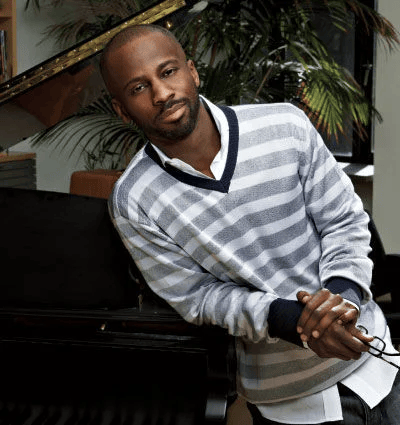
The Atlanta ballad machine
Bryan-Michael Cox was born in Miami, raised in Houston, and made his name in Atlanta — where he became Jermaine Dupri's principal musical partner at So So Def and, through that, one of the most successful songwriter-producers of his generation. He has a run of Billboard number ones that few producers in any genre can match, and a shelf of Grammys to go with it.
His signature is instantly identifiable once you know it: real piano, usually playing full voicings rather than stabs; a drum pattern that stays out of the way; and a chord progression that resolves somewhere slightly warmer than you expect. In an era when R&B production was increasingly synthetic, Cox kept insisting on a keyboard player's sense of harmony. That is why these records have aged as well as they have.
What to listen for
The Usher material is the peak. "U Got It Bad" and "Confessions Part II" are both Cox co-writes and both are load-bearing walls of 2000s R&B — the latter in particular is a masterclass in how to build tension with almost nothing.
The Jagged Edge run — "Let's Get Married," "He Can't Love You," "Promise" — is the deepest partnership here and defines a whole strand of Atlanta R&B.
Mary J. Blige's "Be Without You" in the Kendu Mix is arguably the single greatest record he touched: it spent an astonishing run atop the R&B chart and remains the definitive grown-woman love song of its decade.
Mariah Carey's "Don't Forget About Us" gave her a number one; Toni Braxton's "Just Be A Man About It" and Monica's "Amazing" round out the ballad craft. "Welcome to Atlanta" with Dupri and Ludacris is the outlier and the civic anthem.
Go deeper
The So So Def catalogue is the natural next step — Jermaine Dupri as an executive built one of the most consistent regional label operations in American music, and Cox's work is inseparable from it.
For producers working the same lane: Jazze Pha and Dallas Austin are the other pillars of the Atlanta sound, and Rodney Jerkins is the national-scale contemporary.
If the piano-first approach appeals, go back to Thom Bell in Philadelphia — the arranger whose harmonic sophistication with the Stylistics and the Delfonics is the tradition Cox is working inside, whether or not the connection is deliberate.
Comments
Post a Comment