Twenty-eight songs by a man from a fishing town in Lincolnshire who wrote some of the most enduring Black American music of the twentieth century.
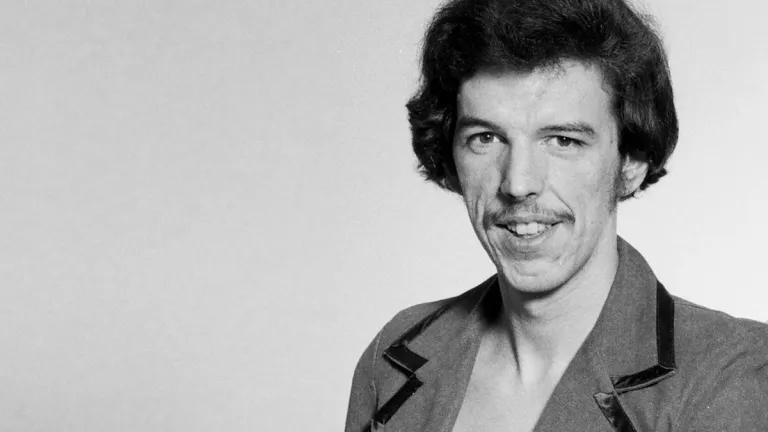
Rod Temperton
Rod Temperton was born in Cleethorpes, England in 1949 and worked in a frozen-food factory before answering an advertisement and joining Heatwave, a multinational funk band formed by American servicemen in Germany. He was their keyboard player and, it turned out, an extraordinary songwriter.
Quincy Jones heard Heatwave and brought him to Los Angeles. What followed is one of the least-known great catalogues in popular music: three songs on Off the Wall, three on Thriller including the title track, and a run of material for George Benson, the Brothers Johnson, Patti Austin, James Ingram and Michael McDonald.
He was almost entirely private, gave very few interviews, and was known in the industry as "the Invisible Man." He died in 2016, and the news was released only after his funeral.
What to listen for
"Thriller" is the one everybody knows, and Temperton originally titled it "Starlight." He wrote the Vincent Price rap in a taxi on the way to the session.
"Rock with You" and "Off the Wall" are the better songs. "Rock with You" in particular is a masterclass in construction — every element enters exactly when it should, and the melody sits perfectly in Jackson's range.
"Boogie Nights" and "Always and Forever" are the Heatwave records, and "Always and Forever" has become one of the most-played wedding songs in Black America — written by an Englishman who had never lived there.
George Benson's "Give Me the Night" is the Quincy Jones production that gave Benson his biggest hit.
"Stomp!" and "Light Up The Night" are the Brothers Johnson records and among the funkiest things on the list.
"Baby, Come To Me" with Patti Austin and James Ingram went to number one, and "Yah Mo B There" with Michael McDonald won a Grammy.
"The Star of a Story" is the connoisseur's pick — a Heatwave album track with harmonic movement that professional songwriters talk about.
Go deeper
Heatwave's Too Hot to Handle (1977) is the album, and it is considerably better than its two hits suggest.
Quincy Jones's The Dude features substantial Temperton writing.
And the general point: the songwriter is frequently invisible, and following the credits on records you already love is the fastest route to understanding how pop actually gets made.
Comments
Post a Comment