The most successful duo in chart history, dismissed for decades as lightweight, and now revered by exactly the musicians whose opinion counts. Eleven tracks of Hall & Oates.
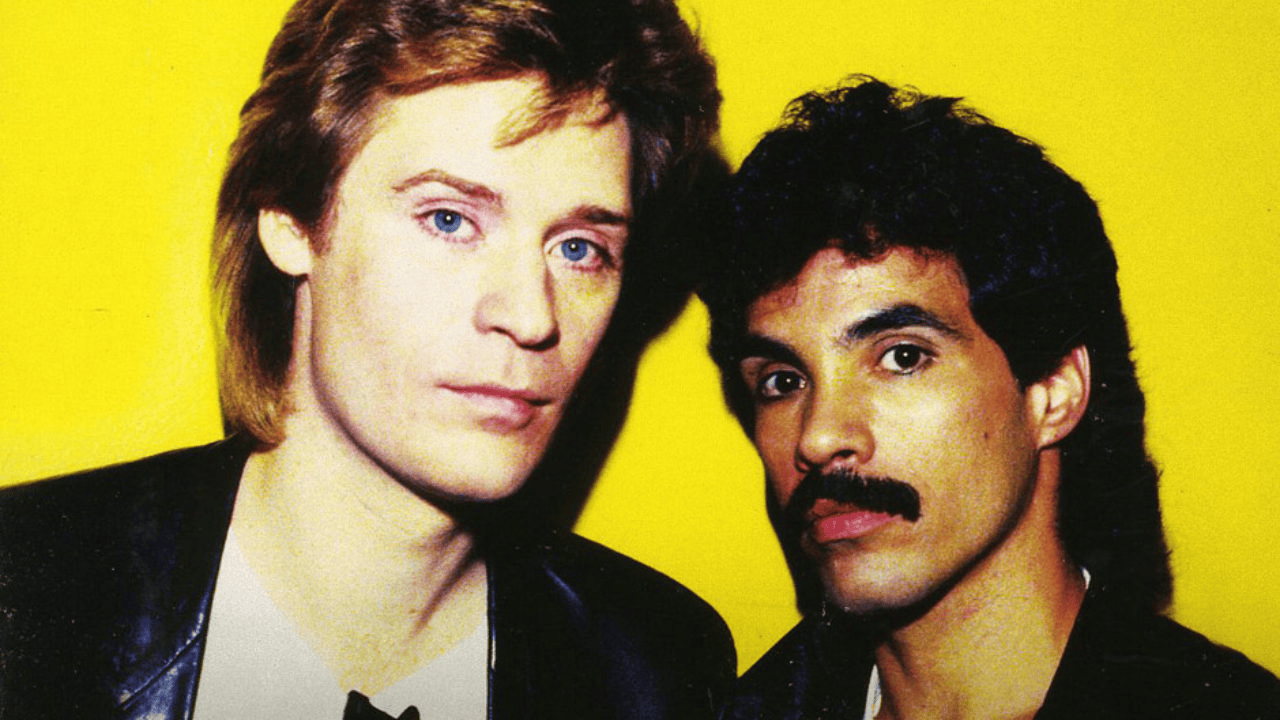
Philadelphia soul in a rock band's clothes
Daryl Hall and John Oates met at Temple University in Philadelphia in the late 1960s, and the city is the key to everything they did. Hall in particular worked around the Philadelphia soul scene, recording with Gamble and Huff's operation as a session singer, and the vocal approach he developed there — light, agile, heavily gospel-inflected — is what makes their records sound the way they do.
They spent the 1970s finding their footing and the 1980s essentially owning the American charts, becoming the best-selling duo in history. The critical reception at the time was condescending; the reassessment since has been thorough, largely driven by musicians and hip-hop producers who noticed how sophisticated the arrangements are and how much soul is in the singing.
What to listen for
"She's Gone" is the early masterpiece — produced by Arif Mardin, and later a hit for Tavares, which tells you how completely it functions as a soul record.
"Sara Smile" is the other 1970s pillar and one of the great vocal performances in pop. Listen to how much Hall varies each repetition of the chorus.
"I Can't Go for That (No Can Do)" is the most important record here. It went to number one on both the pop and R&B charts, its drum-machine-and-bass groove has been sampled and interpolated endlessly, and Michael Jackson reportedly told Hall directly that he had borrowed its bassline for "Billie Jean."
"Maneater" in the extended club mix reveals how much of that record is a Motown pastiche, and "Adult Education" features Nile Rodgers and was mixed by Bob Clearmountain — the credits are a who's-who of early-eighties studio craft.
"Private Eyes," "Kiss on My List" and "Out of Touch" in the Arthur Baker mix are the pop peaks. "Say It Isn't So" is the underrated one.
Go deeper
Abandoned Luncheonette (1973) is the album the critics always liked, and Voices (1980) is where the eighties sound arrives.
Daryl Hall's Sacred Songs, made with Robert Fripp of King Crimson and shelved for years by the label, is the strangest thing in their orbit and genuinely good.
His web series Live from Daryl's House is a treasure — hours of him playing with everyone from Smokey Robinson to Chromeo, and the best evidence available of what a serious musician he is.
Comments
Post a Comment