Fifteen tracks from the soundtrack to a film about the Rwandan genocide. This is not background listening, and it should not be treated as such.
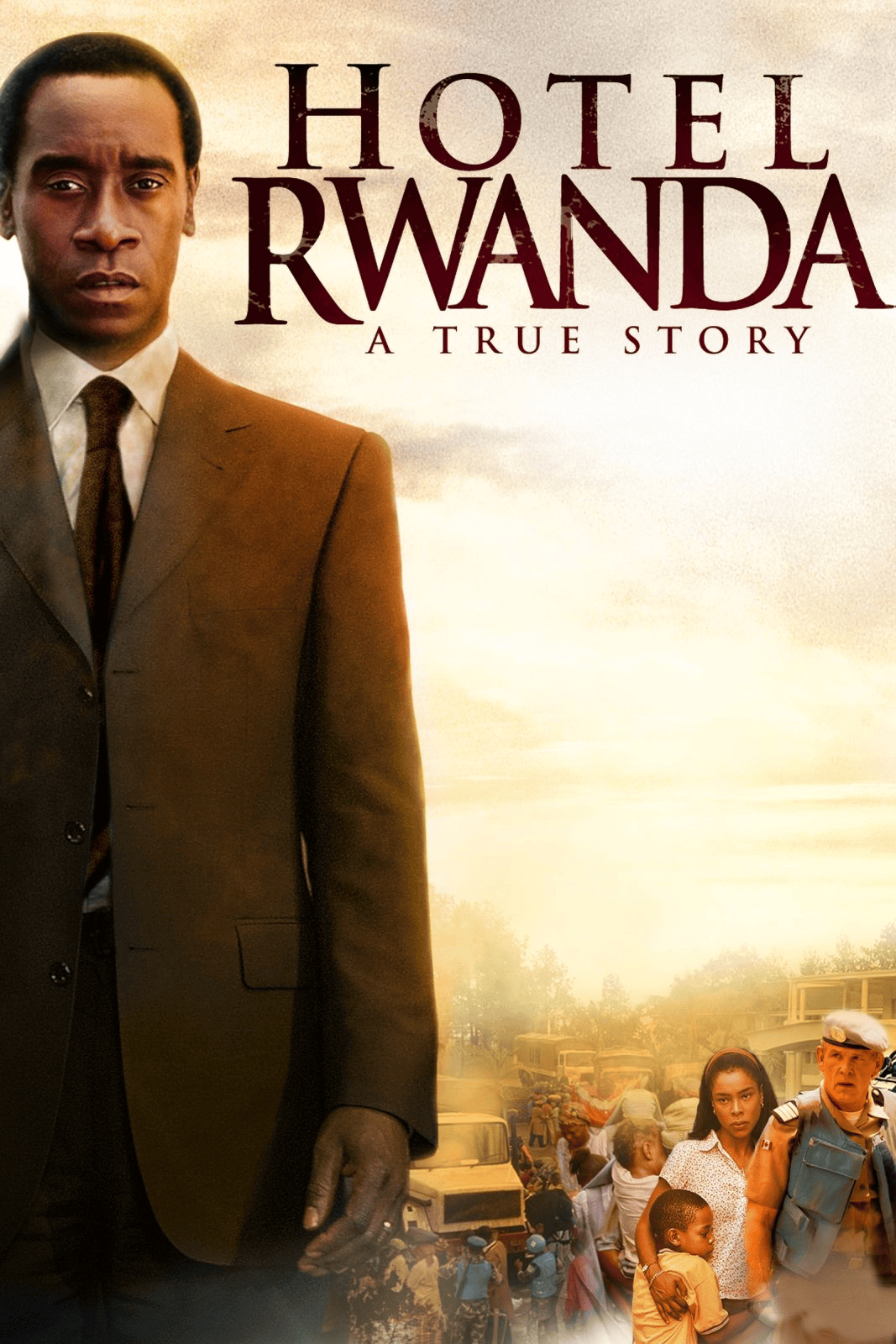
Hotel Rwanda, 2004
Terry George's film tells the story of Paul Rusesabagina, the manager of the Hôtel des Mille Collines in Kigali, who sheltered over a thousand Tutsi and moderate Hutu refugees during the 1994 genocide in which roughly 800,000 people were murdered in a hundred days while the international community declined to intervene.
The soundtrack is unusually thoughtful for a film of this kind. Rather than scoring African tragedy with a Western orchestra, it foregrounds Rwandan and East African musicians alongside the score, and gives substantial space to Dorothee Munyaneza — a Rwandan singer who survived the genocide as a child and who both performed on and consulted for the film.
That decision matters. It means the music is partly the testimony of a survivor rather than only an outsider's interpretation.
What to listen for
"Mama Ararira" opens with Dorothee Munyaneza alongside Afro Celt Sound System, and it is the emotional centre of the whole record. "Mwali We!" features her with Ben Munyaneza, and "Icyibo" is hers alone.
Wyclef Jean's "Million Voices" is the song most people know from the film, written for it and closing the picture.
Yvonne Chaka Chaka's "Umqombothi" is a South African hit from 1988 — named for traditional maize beer — and its presence early in the film establishes normal life before everything collapses. Hearing it in that context is devastating by design.
Deborah Cox's "Nobody Cares" states the film's central indictment plainly.
"Whispered Song" comes from Burundi Musiques Traditionnelles, and Bernard Kabanda is a Ugandan guitarist working in the kadongo kamu tradition. Isonga's "Mwari Sigaramahoro" is Rwandan.
The score cues by Rupert Gregson-Williams and Andrea Guerra — "Interhamwe Attack," "Ambush," "Children Found," "Finale" — carry the narrative weight.
Go deeper
Dorothee Munyaneza is now an established choreographer and performer working in France, and her stage work — particularly Samedi Détente, which draws directly on her experience of 1994 — is significant.
Philip Gourevitch's book We Wish to Inform You That Tomorrow We Will Be Killed with Our Families remains the essential account.
It is also worth knowing that Rusesabagina's own later history is contested, including his 2020 rendition to Rwanda and imprisonment on terrorism charges before his 2023 release. The film's account of 1994 and the man's subsequent life are separate matters, and both are complicated.
Comments
Post a Comment