Sixteen tracks from a Philadelphia band who were signed as teenagers by Grover Washington Jr. and have been working ever since.
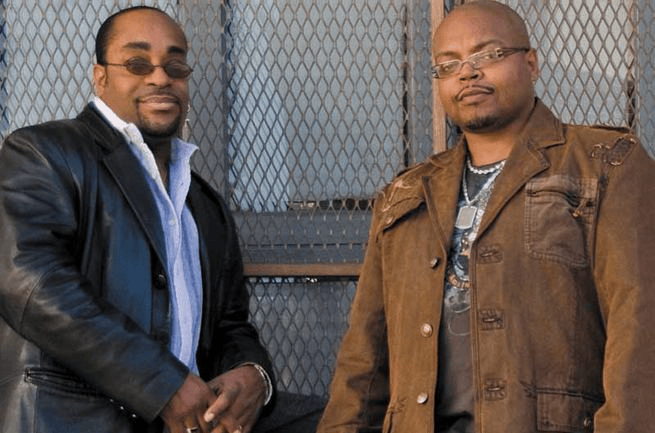
Pieces of a Dream
Pieces of a Dream formed in Philadelphia in the mid-1970s when its founding members — keyboardist James Lloyd and drummer Curtis Harmon — were still teenagers. Grover Washington Jr. heard them, took them under his wing, and produced their first records.
That mentorship shaped everything. The band works in the space Washington himself defined: jazz musicianship in service of a groove, with soul and funk instincts and no interest in playing over an audience's head. They have released steadily for forty-five years and are one of the most consistent working bands in the idiom.
The Philadelphia connection matters too. This is a city with its own deep soul tradition, and the band's rhythmic feel comes as much from Gamble and Huff as from any jazz school.
What to listen for
"Mt. Airy Groove" is the signature record — named for the Philadelphia neighbourhood, and one of the great jazz-funk grooves of the 1980s. It has been sampled repeatedly and remains a floor-filler at soul weekenders.
"Fo-Fi-Fo" and "Night Vision" are the other essential up-tempo cuts.
"Rising to the Top" is the Keni Burke song, and hearing an instrumental band take on a record whose whole point is its bassline is a genuine test — they pass.
"Mr. Magic" with Najee is the tribute to Grover Washington Jr., whose 1975 album of that name is one of the founding documents of the entire genre. Putting it here, played by the band he mentored, is the right gesture.
The covers show the range: "Theme From Mahogany" (Diana Ross), "How Do You Keep The Music Playing?" (Michel Legrand), "How Much I Feel" (Ambrosia) and "Sailing" (Christopher Cross).
"Watch Your Step" and "Floating" are the deeper originals.
Go deeper
We Are One (1982) contains "Mt. Airy Groove" and is the album.
Grover Washington Jr.'s Mister Magic and Winelight are the essential context — he is the reason this whole lane exists, and he was a serious player by any standard.
For the Philadelphia jazz-funk world: MFSB, Dexter Wansel and The Salsoul Orchestra. A remarkable amount of the groove in American music passed through that one city.
One final note on longevity. Forty-five years with the same two founders is close to unheard of in any genre, and it is the reason the band still sounds like a band rather than a rotating session. Play "Mt. Airy Groove" next to anything from the last decade and the personnel have barely changed — the groove is simply what these two men do together.
Comments
Post a Comment