Eleven tracks from a Philadelphia MC whose flat, unhurried delivery is one of the most distinctive in rap. Bahamadia never raised her voice and never needed to.
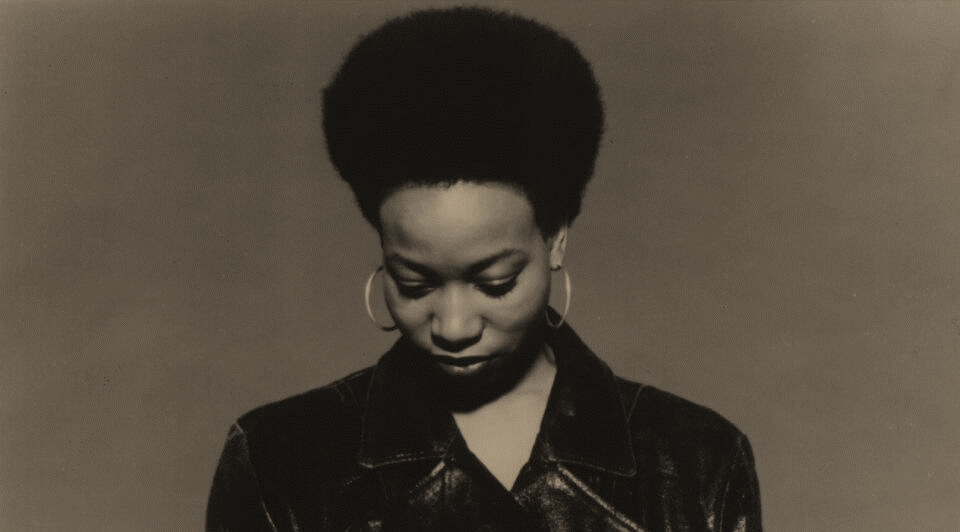
Bahamadia
Antonia Reed came out of Philadelphia and was mentored by Guru of Gang Starr, which is the right lineage — both share a cool, almost conversational delivery that puts all the weight on the writing.
Her 1996 debut Kollage, with production from DJ Premier, Guru and The Roots, is one of the most respected albums of its era among people who care about technique, and one of the least commercially successful. She has never had a hit and has never stopped being cited.
What sets her apart is the rhythm. Bahamadia raps slightly behind the beat with almost no dynamic variation, which forces you to listen to the words rather than the performance. It is a difficult thing to sustain and almost nobody else does it.
What to listen for
"Uknowhowwedu" is the signature record and the best introduction — effortless, unhurried, and technically formidable once you start counting.
"I Confess" and "Spontaneity" are the other Kollage-era essentials.
The Roots' "Proceed III" is the Philadelphia connection made explicit, and "Philadelphia" with Dwele is the love letter to the city.
Roni Size and Reprazent's "New Forms" is the outlier and one of the most interesting things she did. Roni Size's New Forms won the Mercury Prize in 1997 and is a landmark of British drum and bass — hearing an American MC rap over it at that tempo is genuinely striking.
"One-4-Teen" with Slum Village connects her to Detroit and J Dilla's world.
"Love Of My Life Worldwide" puts her alongside Erykah Badu, Queen Latifah and Angie Stone — a version of the Brown Sugar soundtrack song and a genuine summit.
Go deeper
Kollage (1996) is the album, full stop. BB Queen (2000) is the follow-up EP.
For MCs working the same understated register: Guru, Rakim, Jean Grae and Rapsody. Rapsody in particular has cited her directly.
And Roni Size's New Forms is worth hearing whole — a jazz-influenced drum and bass double album that remains one of the most ambitious British records of the 1990s.
One final observation about influence without sales. Bahamadia has never had a hit and is cited constantly — by Rapsody, by Jean Grae, by essentially every technically-minded MC who came after. That is a particular kind of career and arguably the more durable one. Eleven tracks is a small catalogue to have shaped so much, which tells you how distinctive the approach was.
Comments
Post a Comment