Thirty-six tracks chosen by somebody's father, and there is no better recommendation engine than that.
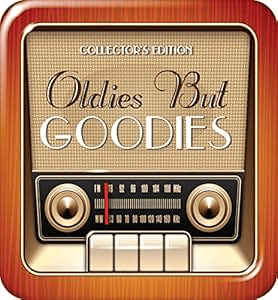
Papa's mix
A playlist inherited from a parent is a particular kind of document. It tells you what was on the radio in a house at a particular moment, and it preserves a set of tastes that no algorithm would ever assemble — because the criterion is memory rather than similarity.
What is here is the American popular songbook as it sounded to an adult audience between roughly 1957 and 1975: orchestrated, melodic, sung by men with impeccable diction, and entirely unembarrassed about sentiment.
What to listen for
Johnny Mathis dominates, and rightly — "Chances Are," "Misty," "When Sunny Gets Blue" and "It's Not for Me to Say" are the core of a catalogue that defined romantic singing for a generation. "When Sunny Gets Blue" is the one that shows he was a genuine jazz singer.
Andy Williams is the other pillar. "Moon River" is the Henry Mancini and Johnny Mercer song from Breakfast at Tiffany's and one of the most perfect pieces of American songwriting. "Wives and Lovers" is Bacharach and David, and its lyric has aged spectacularly badly in ways worth noticing.
Aaron Neville is the most distinctive voice here — that extraordinary quavering tenor, from New Orleans, and utterly unlike anyone else in this company.
Sammy Davis Jr.'s "Mr. Bojangles" carries its own weight: a Jerry Jeff Walker song about a street dancer, sung by a Black entertainer who had spent his life navigating exactly the world the song describes.
Frank Sinatra's "Send In The Clowns" is Sondheim, and Mel Tormé's "A Time For Us" is the Romeo and Juliet theme.
"Unchained Melody" and "A Summer Place" are the standards everybody knows.
Go deeper
Johnny Mathis's Open Fire, Two Guitars is the connoisseur's album — just voice, guitar and bass.
Aaron Neville's Warm Your Heart and the Neville Brothers' catalogue are the New Orleans thread.
And if this music is new to you, the arrangers are the people to chase: Nelson Riddle, Ray Conniff, Henry Mancini and Gordon Jenkins. They shaped the sound of mid-century America more than most of the singers did.
Why it hits: an oldies set assembled from someone's actual memory beats a chart reconstruction every time. These are the records that were playing in a particular house, and the sequencing carries that logic — songs next to each other because they belong together in a life, not because they charted in the same month.
Comments
Post a Comment