
Twenty-one tracks from a Cincinnati singer who went from a television talent show at sixteen to one of the most respected R&B voices of his generation.
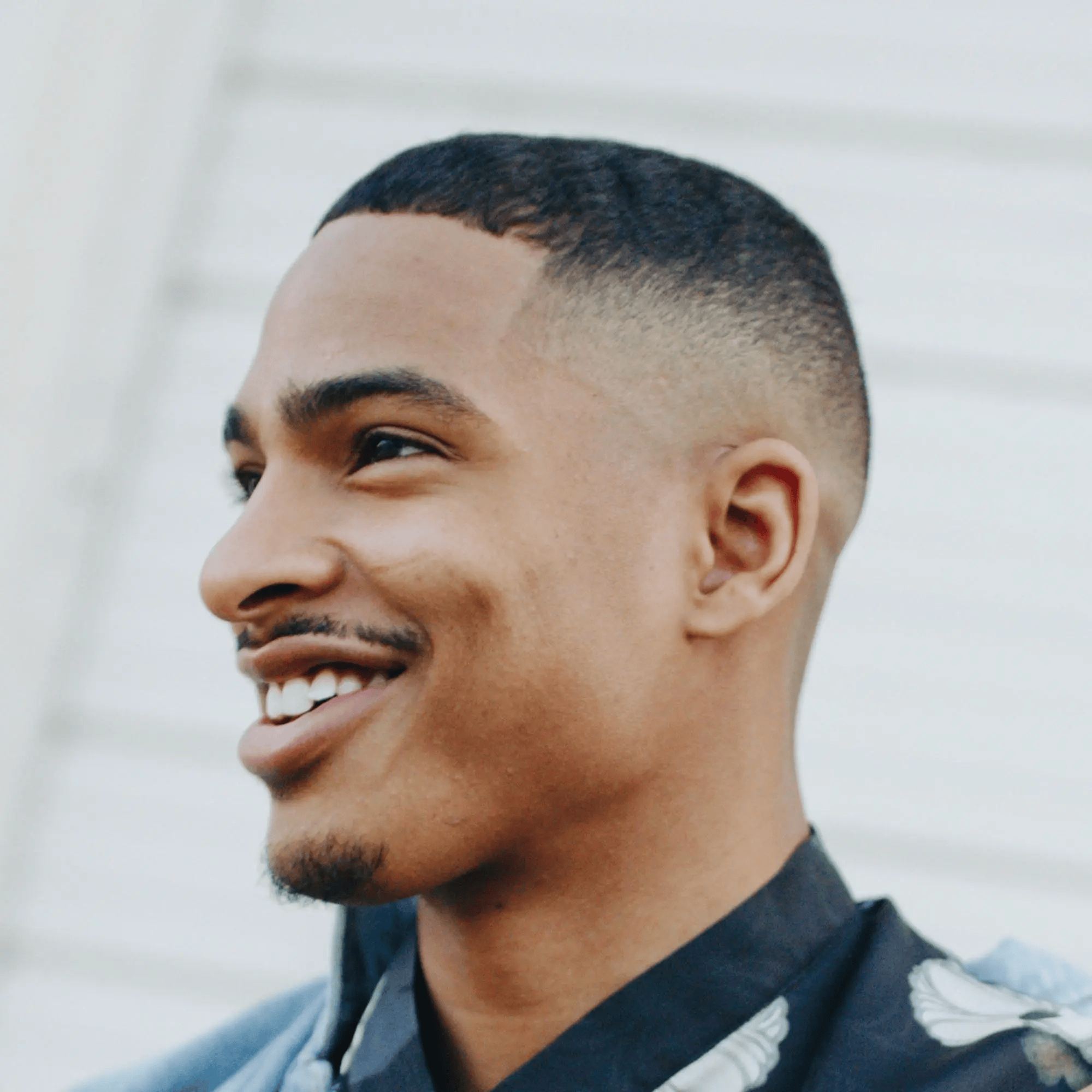
Arin Ray
Arin Ray first appeared on American television as a teenager, placed into a manufactured group on The X Factor — the kind of start that usually ends a serious career before it begins. What happened instead is that he went away, wrote, worked, and came back with a sound rooted in Cincinnati funk and West Coast R&B that owes nothing to the show at all.
His voice is the main event: a light, agile tenor with real grain in it, and a phrasing habit of trailing off at the end of a line rather than landing it. It makes even his most polished records feel conversational.
He is also an unusually generous collaborator, which is why so much of this list is guest appearances — and why so many rappers keep calling him.
What to listen for
"Communication" with DRAM is the obvious entry point and the best pop record he has made.
"We Ain't Homies" with YG is the one that shows how well his voice sits against West Coast production — a hook that would be sentimental from anyone else and is not from him.
"Change" with Kehlani is the duet, and "Always" with Babyface is the co-sign that matters most — being invited into that catalogue is a real endorsement.
"Old School" and "Gold" are where the funk influence is most explicit, and "Roses" is the ballad.
"Beige" with Terrace Martin and Elena Pinderhughes is the most musically ambitious thing on the list, and worth following into Martin's own catalogue.
"ZZZ" is the mood piece, "Hope It Don't Kill Me" with Boogie is the darkest, and "Wait So Long" and "Electric" close things out.
Cordae's "Family Matters" is the best use anyone has made of him as a featured vocalist.
Go deeper
Platinum Fire (2018) and Phases II are the albums; the Phases EPs are where the sound was found.
He belongs in a group with Brent Faiyaz, SiR and Lucky Daye — singers who rebuilt R&B without radio support in the late 2010s. Lucky Daye's Painted is the natural next album.
Listening note: the appeal is in how he ends a phrase rather than how he starts one. Arin Ray lets lines trail away instead of landing them, which makes even his most produced records sound like someone thinking aloud — and it is why rappers keep hiring him for hooks that would be unbearable sung with more conviction.
Comments
Post a Comment