Forty-five records from 1980 — the year disco was officially over and its entire rhythmic vocabulary quietly took over the radio.
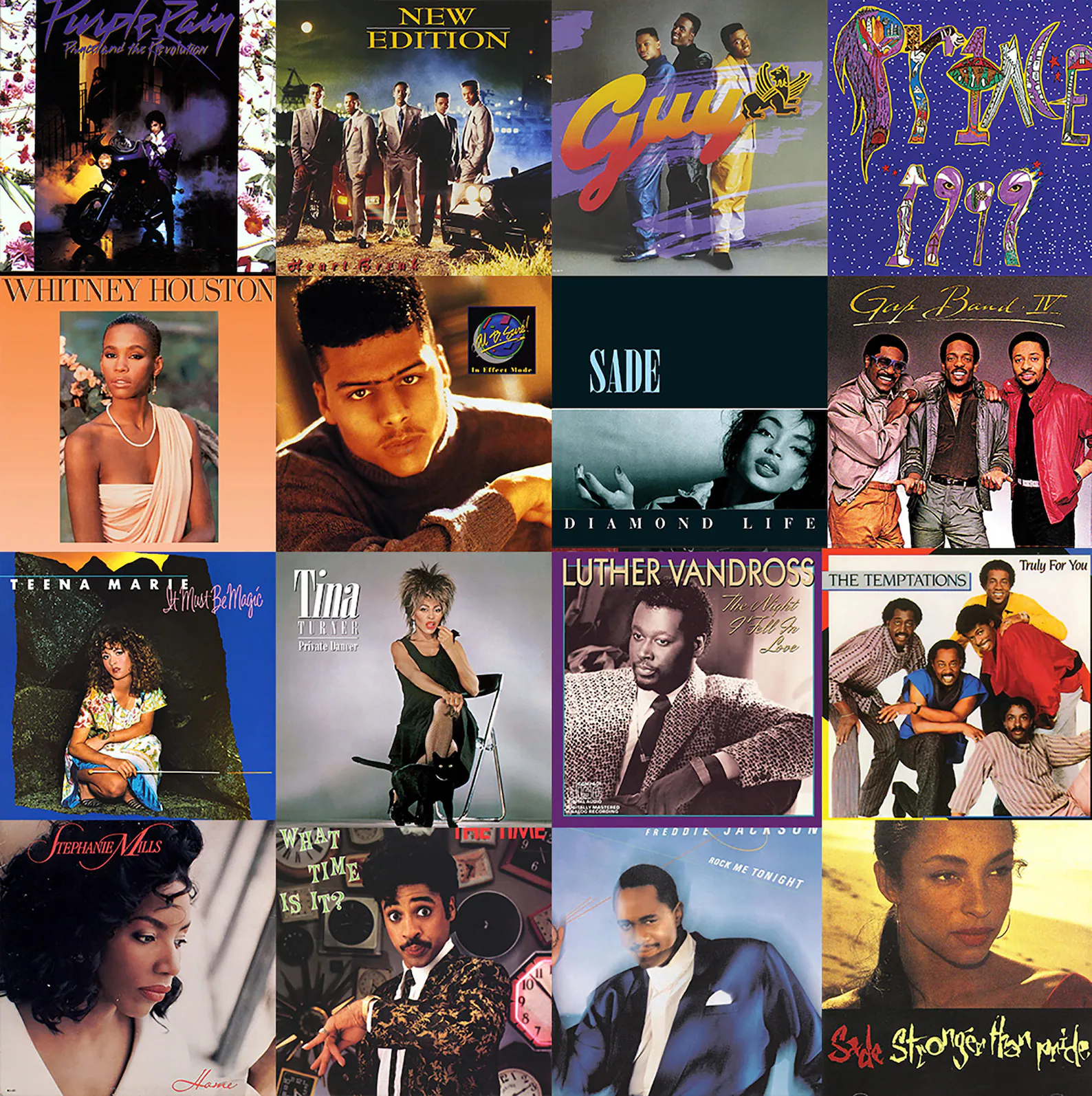
1980: the year the eighties started
The received story is that disco died in 1979 and something else replaced it. What this playlist demonstrates is that nothing was replaced; the label was simply dropped. The records in this set are built from the same components as the ones released eighteen months earlier, but the bass is synthesised, the drums are harder, and nobody is calling it disco any more.
That transition is the most interesting thing about 1980, and hearing forty-five of its records in sequence makes the continuity impossible to miss.
What to listen for
Zapp's "More Bounce to the Ounce" is the future arriving. Roger Troutman's talkbox and that bassline became the foundation of West Coast hip-hop a decade later, and the record still sounds like it was made in a different year to everything around it.
The Whispers' "And the Beat Goes On" and Shalamar's "The Second Time Around" are the SOLAR sound at full strength, and The Brothers Johnson's "Stomp!" is Quincy Jones doing the same thing with a bigger budget.
Diana Ross's "Upside Down" and "I'm Coming Out" are Chic's production work, which is how disco's architects survived the backlash — by producing other people.
Queen's "Another One Bites The Dust" is the most telling inclusion of all: a rock band's biggest American single, built on a bassline John Deacon wrote after listening to "Good Times".
Stephanie Mills' "Never Knew Love Like This Before" and Change's "A Lovers Holiday" are the Italo-American disco holdouts, the latter in two different mixes.
Tom Browne's "Funkin' for Jamaica" and The S.O.S. Band's "Take Your Time" are where the jazz-funk and the new R&B meet.
Prince's "Why You Wanna Treat Me so Bad?" is the early sighting of the man who would spend the decade dismantling all these categories.
Go deeper
Zapp's debut album and Patrice Rushen's Posh are the two records from this year that most repay full listening.
Then play 1979 and 1980 back to back. The changes are real but they are gradual, and the story of a sudden death does not survive the evidence.
Listening note: track the bass across the set and you can date each record within a year. Real bass guitar means it was conceived before the shift; a synthesised bassline means the studio had already moved on. Several tracks here have both, recorded during the eighteen months when nobody was sure which way it would go.
Comments
Post a Comment