Sixty-four records about what is wrong and what might be done about it, drawn from six decades of soul music.
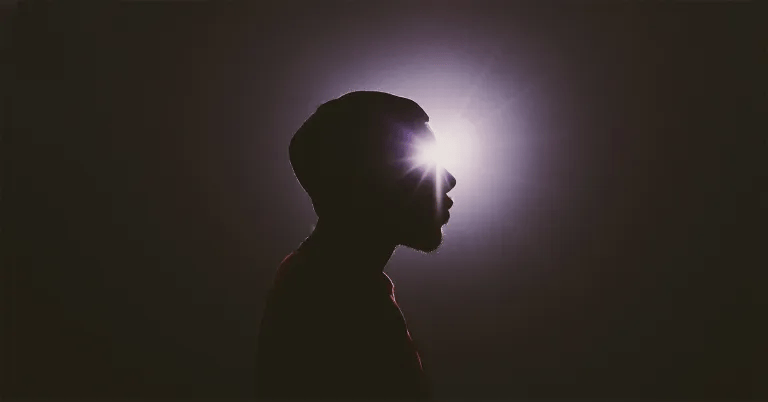
Conscious Soul for Dark Times
Every generation assumes its own protest music is unprecedented. The value of a set like this is that it flatly disproves that assumption: the arguments here, made between 1964 and 2018, are substantially the same arguments, and the musical vocabulary for making them was largely settled by 1975.
What makes it work as listening rather than as a lecture is that almost every track is a good song first. The politics is carried in the writing rather than announced over the top of it.
What to listen for
Harold Melvin and Teddy Pendergrass's "Wake up Everybody" opens the set, which is the right choice — a Philadelphia International record from 1975 that manages to be a call to action and a slow jam at once.
Marvin Gaye's "What's Going On" needs no comment except this: Motown initially did not want to release it, and it became the label's best-selling single to that point.
Sam Cooke's "A Change Is Gonna Come" is the foundation of everything else on the list, written after Cooke was turned away from a Louisiana motel and released shortly after his death.
Prince's "Sign 'O' the Times" is the most minimal record here — drum machine, bass, one guitar — and the most frightening.
The Spinners' "Ghetto Child" and The Stylistics' "Children of the Night" are the Philadelphia soul entries where the sweetness of the arrangement makes the subject harder rather than easier.
Janelle Monáe appears three times, and "I Like That" is the most joyful protest record of the last decade.
Emeli Sandé's "Selah", Anthony Hamilton's "Pray For Me" and October London's "Black Man in America" are the contemporary end, and Jill Scott's "Golden" is the one that argues for joy as the point of the whole exercise.
Deniece Williams' "It's Your Conscience" is the deepest cut on the list.
Go deeper
Marvin Gaye's What's Going On, Curtis Mayfield's There's No Place Like America Today and Gil Scott-Heron's Pieces of a Man are the three albums that contain most of this tradition.
Janelle Monáe's Dirty Computer is the modern equivalent and works the same way — argument delivered as pleasure.
Why it works as listening: almost every track here is a good song before it is an argument, which is why the set never turns into a lecture. The politics is carried in the writing, the arrangement and occasionally in a single line, rather than announced over the top — and that restraint is precisely why these records outlasted the events that produced them.
Comments
Post a Comment