
Ten tracks from the album where a former child star turned twenty-one and made the best dance-pop record anyone has produced.
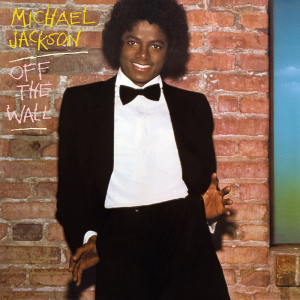
This is the best Michael Jackson album, in my humble opinion.
Michael Jackson: Off the Wall (1979)
Off the Wall is frequently treated as the warm-up for Thriller. It is better than that, and in some respects better than Thriller: looser, warmer, less concerned with conquering every market simultaneously, and played by a band rather than assembled.
It was the first full collaboration between Michael Jackson and Quincy Jones, who met while working on The Wiz, and it is the record where Jackson stopped being a former Motown child act and became an adult artist. He was twenty-one and wrote three of the songs himself.
The other key figure is Rod Temperton, the Heatwave keyboard player, who wrote three tracks including the title song and "Rock With You".
What to listen for
"Don't Stop 'Til You Get Enough" is Jackson's own composition and the most remarkable thing here — it starts with him whispering nervously, then breaks into one of the great grooves, and the vocal performance is genuinely wild in a way nothing on his later records is.
"Rock With You" is the perfect one. Temperton's writing, Quincy's arrangement, and a vocal that never once strains — it is a masterclass in restraint.
"Workin' Day and Night" is the funkiest track and another Jackson original; listen to the percussion, much of it done with his own voice.
"She's Out Of My Life" is the ballad, and the famous detail is true: he cried at the end of every take, and they kept it on the record.
"I Can't Help It" is the musicians' favourite — written by Stevie Wonder, with a chord sequence far stranger than anything else on the album, and it has been covered by jazz and neo-soul singers ever since.
"Off the Wall" and "Burn This Disco Out" are the other Temperton tracks, and "Girlfriend" was written by Paul McCartney.
Go deeper
The album won Jackson only one Grammy, a slight he cited as motivation for Thriller — which is a useful piece of context for the record that followed.
Quincy Jones's The Dude (1981) and Rod Temperton's work for George Benson and Heatwave are the other places this exact sound lives.
Why it beats the follow-up: it is looser, warmer and played by a band rather than assembled to conquer every market at once. Ten tracks, no filler, a twenty-one-year-old writing three of them himself, and a vocal performance on the opening single that is genuinely unguarded in a way nothing on the later records is.
Comments
Post a Comment